Sentinel Guard & Adams Watch — Native Brigade
CSAT Learning Center
Free awareness resources and training for parents, teens, educators, and communities — because safety is everyone's responsibility, at every age.
Sentinel Guard & Adams Watch — Native Brigade
Free awareness resources and training for parents, teens, educators, and communities — because safety is everyone's responsibility, at every age.
This isn't just for young children. The threats young people face evolve as they get older — from strangers to online manipulation, peer pressure to exploitation. The tools here are built for everyone: kids, tweens, teenagers, parents, grandparents, and the communities around them.
Everything here is free. Take what's useful. Share what matters.
From Our Team
To Every Parent, Teenager, Educator & Neighbor
The families and young people we serve don't always have access to specialized programs. Yet they face the same threats as anyone else — online predators, grooming, peer exploitation, and situations where what you know in the moment is the difference between safe and unsafe.
The CSAT Learning Center exists to close that gap for everyone. The youngest child, the teenager who thinks they've seen it all, the parent who doesn't know where to start — there is something here for each of them. Plain language. Real situations. No cost.
A community that understands how to protect its young people — at every age — is better prepared to recognize risk and respond responsibly. Share what you find useful and help another family begin an informed conversation.
Jeffrey Pimentel
Founder & CEO — Children Such As These · SGAW · Native Brigade
We Walk With You
Free for Everyone
Print them. Share them. No sign-up required.

📄 Community Letter
An official letter from Jeffrey Pimentel and CSAT leadership for schools, churches, and community organizations — introducing the mission of Children Such as These and how communities can work together to protect young people.
⬇ Download Letter
📘 Body Safety Booklet
Red Feather's body safety booklet for young children — covering body boundaries, good and bad secrets, the Circle of Trust, safe and unsafe feelings, and the 3-Step Warrior Plan. Designed to empower, not frighten. Read it together.
⬇ Download Booklet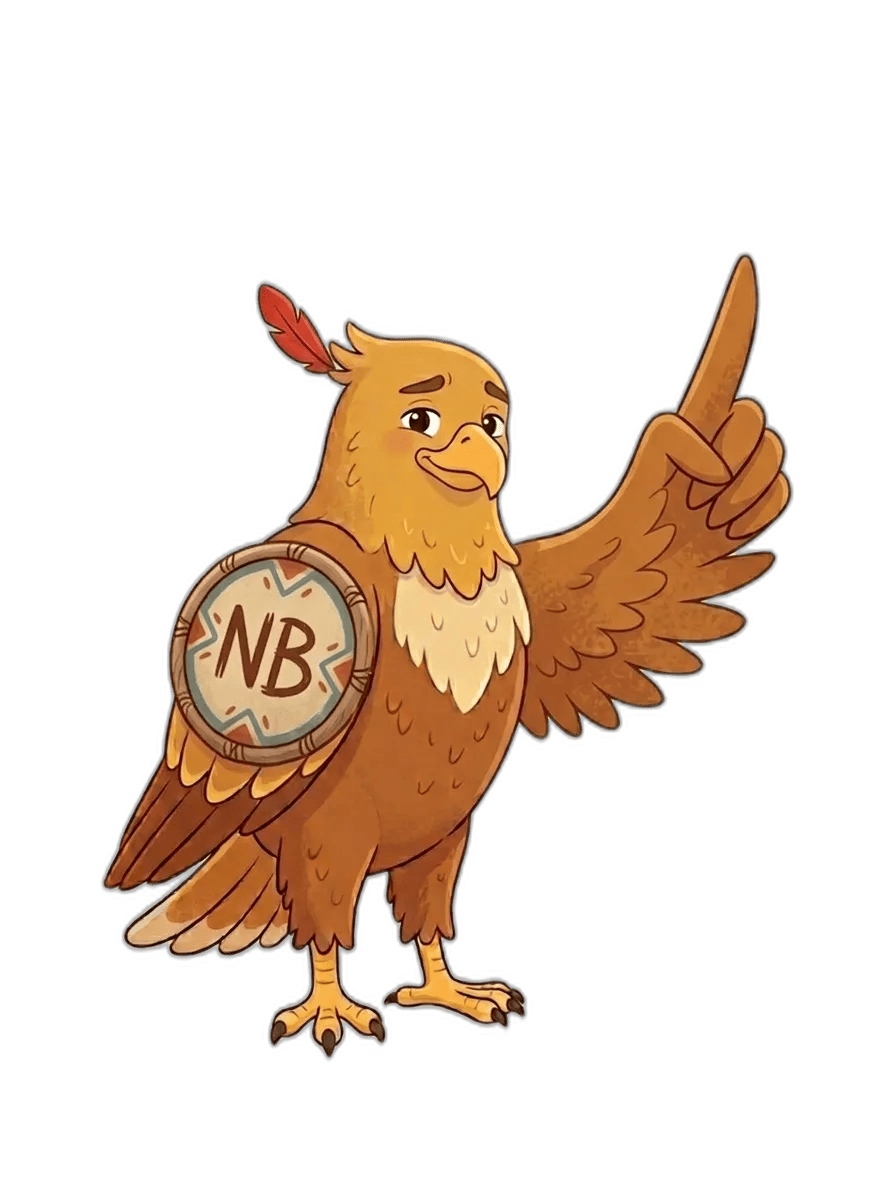
🎓 Free Online Course
A 6-module parent course covering online threats, device safety, recognizing manipulation, family communication, and building a safety plan. Self-paced and free. Earn your completion certificate.
→ Start the CourseCSAT Training Program
Structured courses for families, teens, educators, and community members. All free. Built around real situations.
6 modules covering online threats, device habits, recognizing manipulation, parent-child communication, and building a family safety plan. Our flagship parent course — earn a certificate on completion.
Start Course →6 modules built for elementary-age students — covering body safety, online boundaries, recognizing unsafe situations, trusted adults, and what to do when something feels wrong. Age-appropriate, engaging, and free.
Start Course →An interactive, age-appropriate digital literacy course built for grades 6–8. Covers online identity, social media safety, cyberbullying, privacy, healthy screen habits, and how to recognize and respond to online threats — in a format students actually engage with.
Start Course →Six modules for 9th and 10th graders covering digital identity, social media design, sextortion awareness, digital relationships, data privacy, and incident response.
Start Course →Six modules for students in grades 11–12 covering digital identity, social media design, sextortion awareness, digital relationships, data privacy, and incident response.
Start Course →For teachers and school staff. Recognizing concerns across age groups, creating environments where students feel safe speaking up, and coordinating with families.
Start Course →For community youth workers and volunteers — creating environments where young people feel safe sharing difficult experiences, and responding in ways that help rather than harm. Trauma-informed, community setting focused, with emphasis on online harms.
Start Course →For caregivers of young people with autism, cognitive differences, or communication barriers. Strategies that work across childhood and into adolescence.
Start Course →Know What to Do

This applies at every age. Young children need trusted adults who know what to look for. Teenagers need to recognize manipulation before it escalates. You don't need to be an expert — you need to be informed and willing to act.
Every young person — from a six-year-old to a sixteen-year-old — should know at least three trusted adults they can go to without fear of judgment. Help them name those people. That network is the most powerful safety tool a young person has.

Predators don't just target young children. Teenagers are frequently targeted through relationships that feel real — romantic interest, mentorship, belonging. Watch for adults or older peers who create secrecy or push boundaries that others wouldn't.

For younger kids: know their apps, keep devices in shared spaces, talk openly. For teens: open conversations about online life — not surveillance — are the most effective protection against digital threats.
Share these resources with parents, young people, teachers, and neighbors. Education supports safer choices, but no course can guarantee safety.
Contact Our Team →
A free resource from the CSAT Learning Center · Part of the Native Brigade Childsafe Technology Ecosystem
Learn more at: nativebrigade.org
Educational resources developed with project partners · theproudfootgroup.com